

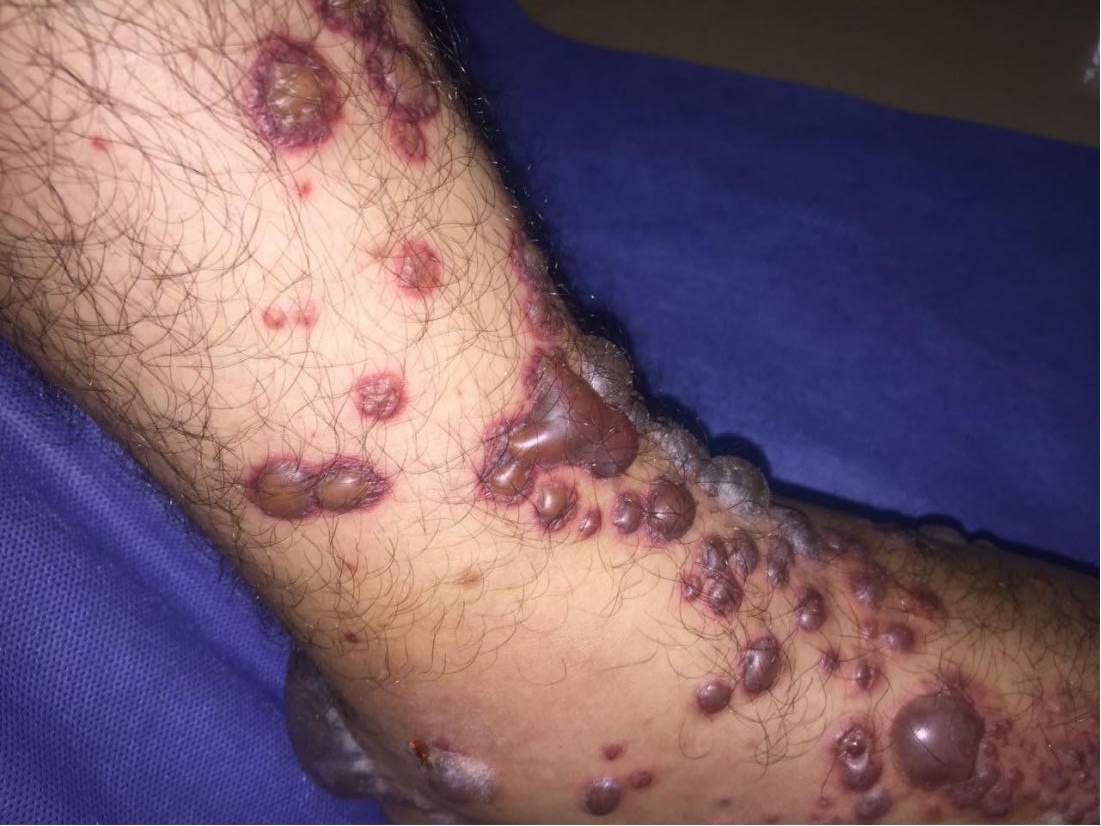
ANCA-associated vasculitis is rare but is the commonest primary systemic vasculitis
affecting adults. The vasculitis involves both small and medium- sized vessels.
Cutaneous findings are not specific. The diagnosis is based on the evidence of systemic
vasculitis, which may be life-threatening, and not the cutaneous findings.
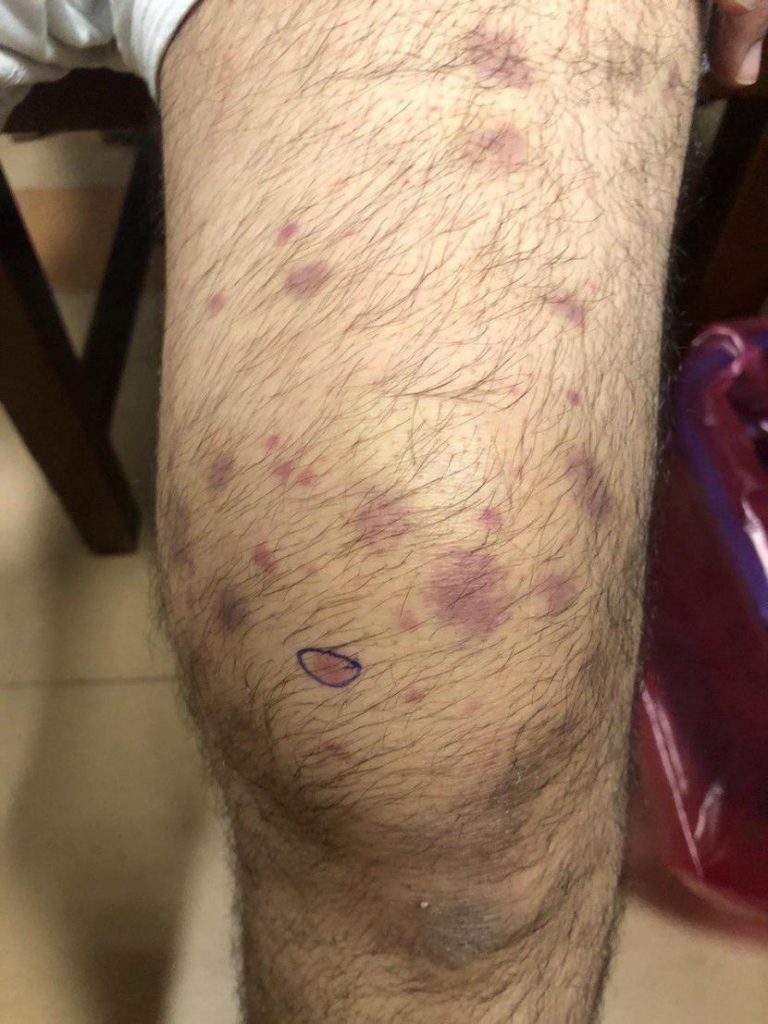
Subtypes :
The three major subtypes have overlapping features:
• Granulomatosis with polyangiitis (GPA) (Wegener granulomatosis): granulomatous
inflammation of the upper and lower airways, necrotizing small-vessel vasculitis, and
necrotizing glomerulonephritis. patients may have ENT symptoms such as nasal
stuffiness, nose bleeds, sinus pain, ear pain, hearing loss, or red eye (uveitis).
• Microscopic polyangiitis: necrotizing glomerulonephritis, pulmonary capillaritis
without asthma, necrotizing small-vessel vasculitis.
• Eosinophilic granulomatosis with polyangiitis (EGPA) (Churg– Strauss syndrome):
allergic rhinitis and asthma, eosinophilia, necrotizing small-vessel vasculitis, and
eosinophil-rich and granulomatous inflammation involving the respiratory tract.
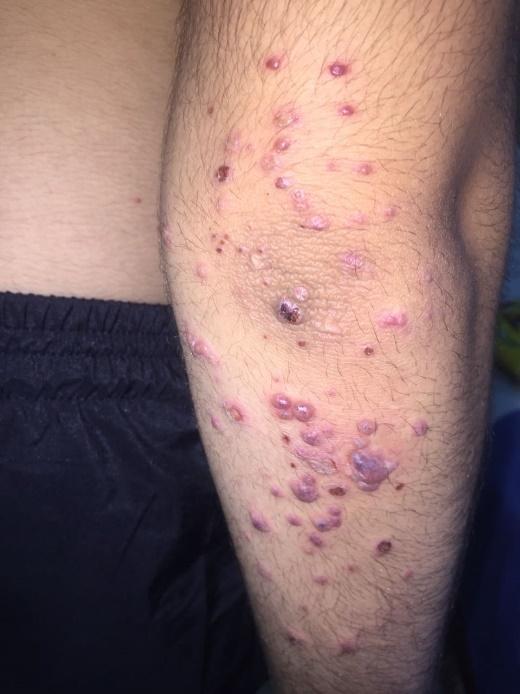
Symptoms :
• Evidence of systemic disease: take a thorough history, and perform a full physical
examination, including fundoscopy and a neurological examination.
• Systemic symptoms such as fever, malaise, arthralgia, and myalgia.
• A palpable purpuric rash on the legs secondary to small-vessel cutaneous vasculitis is
common in all types of ANCA-associated vasculitis.
• Livedo reticularis, ulcers, or subcutaneous nodules indicate involvement of larger
cutaneous vessels.
• Progressive painful ulceration of the face, neck, or perianal skin, resembling pyoderma
gangrenosum, is associated with GPA.
• Ulcerated papules on the limbs, particularly the elbows (like rheumatoid nodules), but
also on the face and scalp, may occur in GPA and EGPA.
• ‘Strawberry gingivitis’ in GPA—swollen, erythematous gums covered with granular
exophytic lesions with petechial haemorrhages.
• An underlying cause, e.g. infection, including HIV, autoimmune disease, drugs,
malignancy.
Treatment :
• Baseline investigations to assess disease activity and organ involvement.
• Further investigation will be guided by the findings, e.g. patients with nodules on the
chest radiograph may need high-resolution CT.
• Biopsy of internal organs is usually required to confirm the diagnosis.
• Biopsy of cutaneous lesions may show a vasculitis but will not distinguish between
different forms of ANCA-associated vasculitis.
• ANCA-associated vasculitides are managed using immunosuppressive drugs such as
prednisolone, azathioprine, and cyclophosphamide. There may be a role for drugs, such
as rituximab, which depletes B-cells. Advise about sun protection.