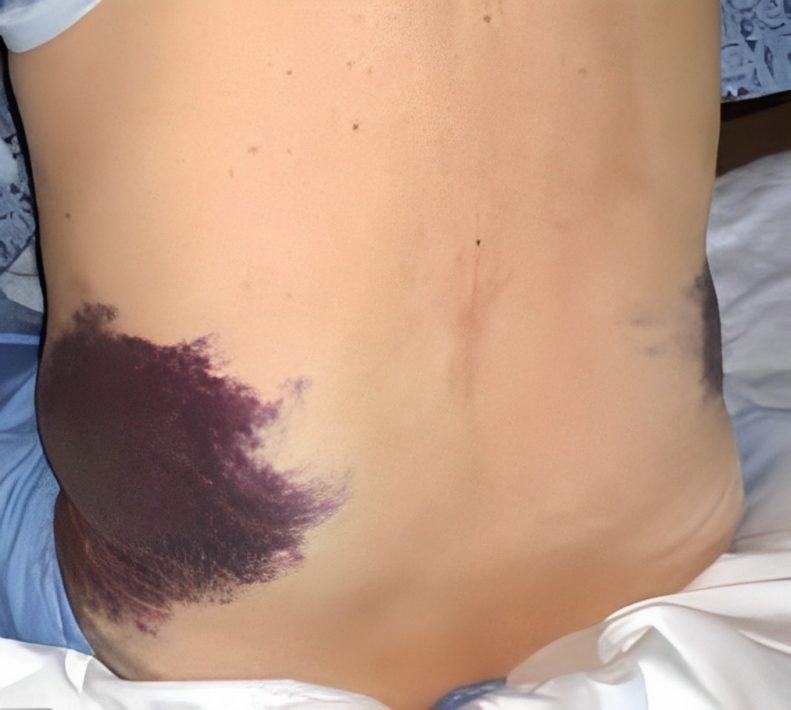
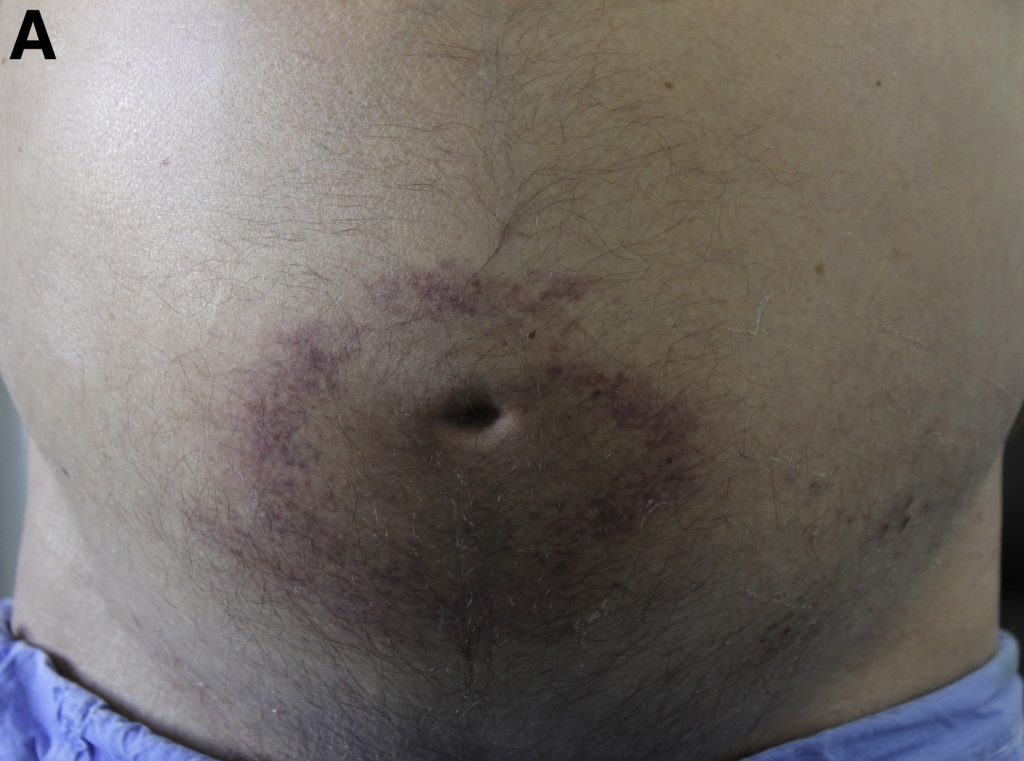
• Acute pancreatitis may be associated with purpura in the left flank (Grey Turner sign)
or periumbilical purpura (Cullen sign).
• Pancreatic panniculitis, probably caused by the escape of pancreatic enzymes from
circulation, occurs in association with pancreatic disease such as acute or chronic
pancreatitis, pancreatic islet cell tumour, ductal adenocarcinoma, and acinar cell
carcinoma. The tender reddish brown subcutaneous nodules are found most often on the
legs. Nodules often ulcerate, discharging oily brown liquefied fat. Pancreatic enzymes
may also cause fat necrosis at other sites, e.g. intramedullary, omental, peritoneal, and
periarticular.
• Necrolytic migratory erythema—a glucagon-producing tumour in the pancreatic α cells.
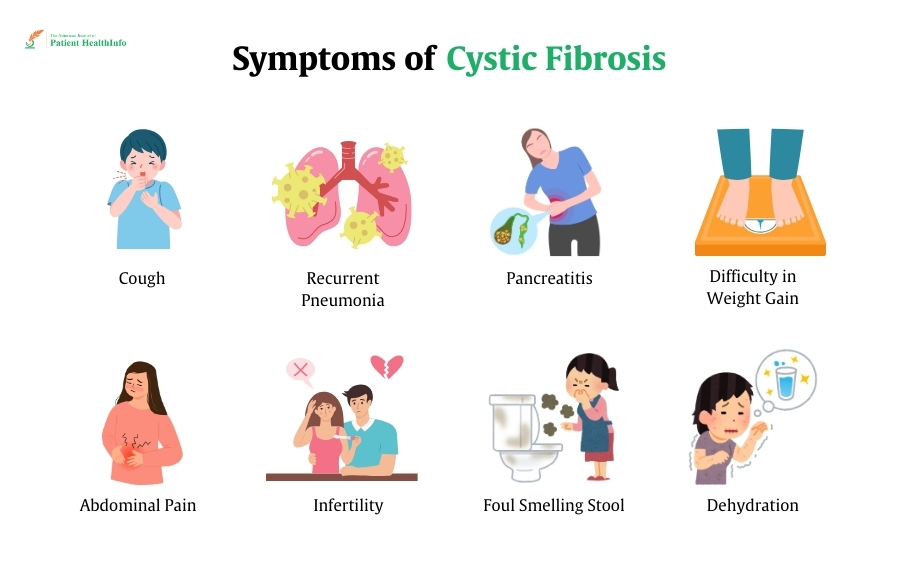
• Manifestations of nutritional deficiency in cystic fibrosis.
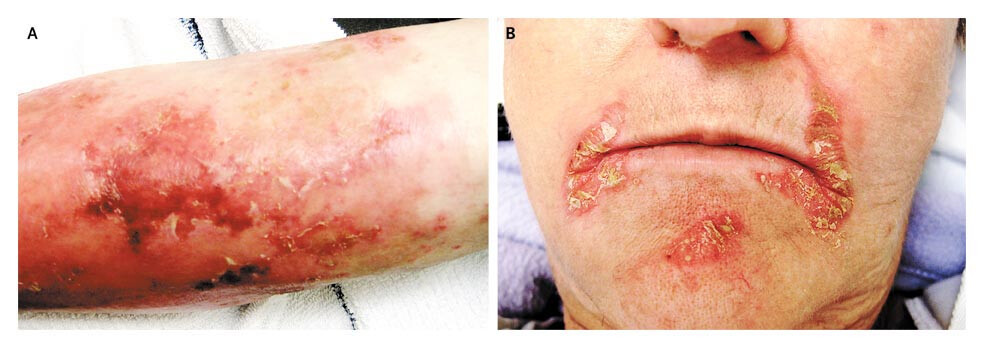
Necrolytic migratory erythema :
This very rare, but striking, skin condition should prompt an urgent search for a
glucagon-producing tumour in the pancreatic α cells. Unfortunately, many patients
already have metastases at the time of diagnosis. The full syndrome includes necrolytic
migratory erythema, diabetes mellitus (mild), stomatitis, cheilitis, weight loss, diarrhoea,
venous thrombosis, and neuropsychiatric symptoms.
‘Pseudo glucagonoma syndromes’—necrolytic migratory erythema has been described in
association with other conditions, including pancreatic cancers, chronic pancreatitis,
coeliac disease, jejunal adenocarcinoma, and hepatic cirrhosis.
Cystic fibrosis :
Cystic fibrosis is inherited in an autosomal recessive pattern and is characterized by
chronic bacterial infection of airways and sinuses, fat malabsorption, male infertility, and
elevated concentrations of chloride in sweat. Mutations in the cystic fibrosis
transmembrane conductance regulator (CFTR) gene cause abnormalities in ion transport.
Cutaneous features include:
• Aquagenic skin wrinkling. Itchy or tingling oedematous white papules and plaques
appear on the palms and soles within 2 minutes of exposure to water. Remits within a few
hours. Mechanism uncertain—elevated sweat chloride may increase keratin binding to
water, or regulation of water membrane channels may be abnormal, or eccrine ducts may
be dysfunctional.
• Nutrient deficiency dermatitis (age 2 weeks to 6 months). Features overlap with those of
acrodermatitis enteropathica, essential fatty acid deficiency, and kwashiorkor.
Erythematous papules (may be annular) present in the napkin area, and periorbital and
perioral skin, but may spread to the extremities and progress to extensive desquamating
plaques.
• Cutaneous adverse drug reactions (30% of patients), e.g. morbilliform, urticaria,
angiooedema, SJS, and leukocytoclastic vasculitis.
• Atopic eczema (increased prevalence).
• Cutaneous vasculitis.