


Autonomic dysfunction occurs in disease of peripheral small fibres (e.g. diabetes,
vasculitis, HIV), disease affecting autonomic ganglia, and central nervous system disease
(e.g. Parkinson disease, multiple system atrophy). Manifestations may be cardiac (e.g.
postural hypotension, tachycardia, exercise intolerance), gastro intestinal (e.g. dysphagia,
abdominal pain, nausea, vomiting, malabsorption, diarrhoea, and constipation),
genitourinary (e.g. erectile dysfunction), and metabolic (e.g. hypoglycaemia). Diabetes is
one of the commonest causes of autonomic neuropathy, when it is usually accompanied
by a sensory neuropathy.
Complex regional pain syndrome, a disabling condition that most often affects the hand,
is associated with dysfunction of autonomic nerves. Skin abnormalities are common.
Symptoms :
• Alterations in microvascular skin circulation affect skin colour (erythema, cyanosis,
oedema, delayed capillary refill, livedo reticularis) and may impair skin nutrition,
contributing to dryness and cracking.
• Alterations in sweating.
• Dryness of the feet which predisposes to cracking and provides a portal of entry for
infection. Diabetic patients with sudomotor dysfunction are more likely to develop foot
ulcers.
• Gustatory sweating (hyperhidrosis associated with eating).
• Compensatory hyperhidrosis in normal skin if patients have a focal loss of sweating,
e.g. in Ross syndrome (tonic pupil, areflexia, segmental hypohidrosis, or anhidrosis).
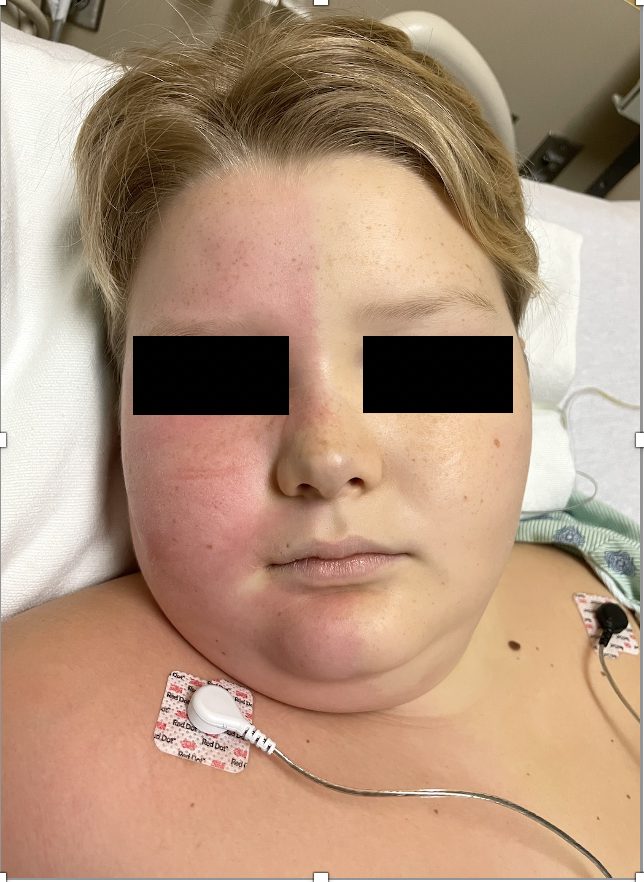
• Harlequin syndrome.
Harlequin syndrome :
• Caused by compromise of vasomotor and sudomotor sympathetic nerve supply to one
side of the face. Half the face fails to flush during thermal or emotional stress. May also
have tonic pupils, areflexia, and impaired sweating (Ross syndrome) on this side or
Horner syndrome.
• Over-reaction of corresponding fibres on the intact side results in unilateral flushing and
compensatory hyperhidrosis (sweating).
• Topical 0.5% glycopyrronium bromide or iontophoresis may reduce sweating.