

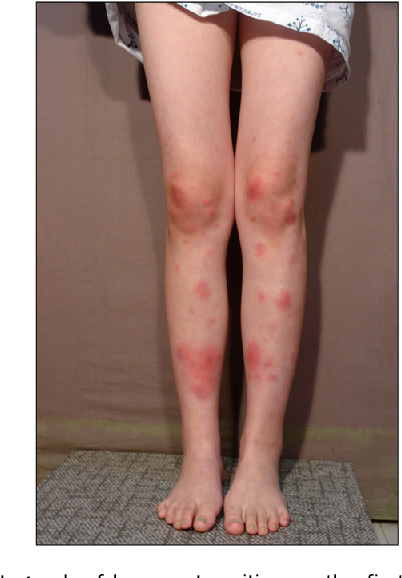
Cutaneous signs are common in both Crohn disease and ulcerative colitis, and may precede the diagnosis by several years. Abdominal stomas also cause skin problems.
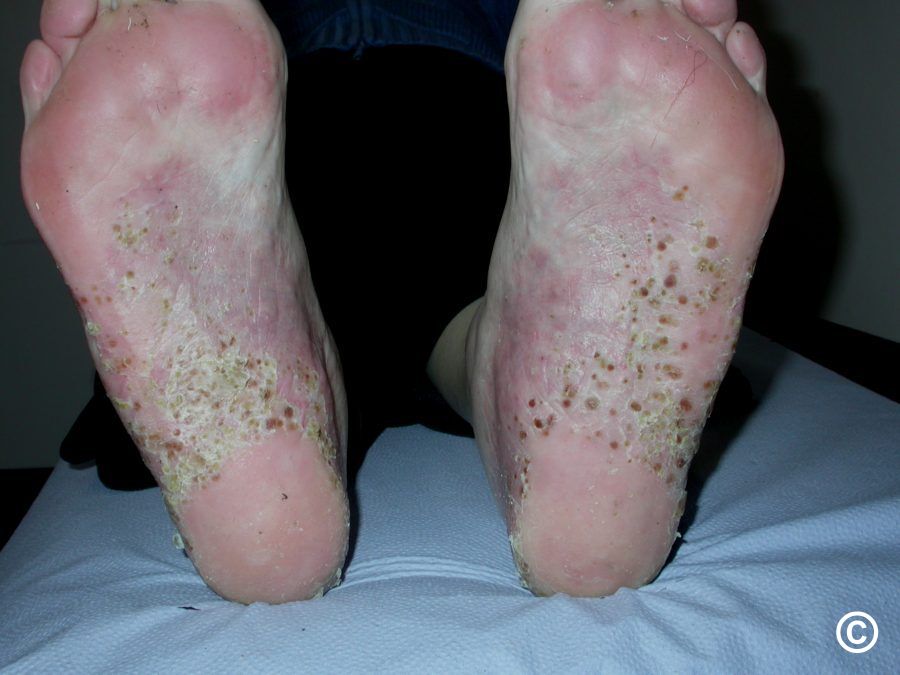
Cutaneous and nail symptoms :
- Nail clubbing and palmar erythema.
- Erythema nodosum.
- Aphthous ulcers and glossitis.
- Thrombophlebitis.
- Perianal fissures, fistulae, and abscesses—more severe in Crohn disease than ulcerative colitis.
- Genital or orofacial Crohn disease. (Biopsy shows non-caseating sarcoidal granulomas with multinucleated giant cells in the dermis and subcutaneous tissue.)
- Peristomal dermatitis or folliculitis.
- Cutaneous adverse drug reactions, including reactions to sulfasalazine (patients may be photosensitive), azathioprine hypersensitivity, and reactions to anti-TNF agents.
- Manifestations of nutritional deficiency, including an acrodermatitis enteropathica-like syndrome (acquired zinc deficiency).
- Psoriasis (increased prevalence in Crohn disease).
- Chronic palmoplantar pustulosis, sometimes linked to SAPHO syndrome.
- Neutrophilic dermatoses such as pyoderma gangrenosum, including peristomal pyoderma, Sweet syndrome, and bowel-associated dermatosis–arthritis syndrome. Azathioprine hypersensitivity resembles Sweet syndrome.
- Pyostomatitis vegetans: a rare pustular disorder that is a marker of inflammatory bowel disease and usually precedes the onset. Friable grey-yellow pustules may involve oral, vaginal, nasal, and rarely periocular mucosa. Ruptured pustules leave vegetating erosions or ulcers. Symptoms are mild. Differentiate from pemphigus by histology and autoimmune studies IMF. Skin involvement has been reported (pyodermatitis vegetans).
- Cutaneous granulomatous vasculitis (in Crohn disease).
- Vitiligo.
- Autoimmune bullous diseases: bullous pemphigoid, linear IgA disease, and epidermolysis bullosa acquisita.
- Skin manifestations of systemic amyloidosis.
Extraintestinal non-cutaneous signs :
- Inflammatory arthropathies with sacroiliitis, peripheral arthritis with or without enthesitis, tenosynovitis, and dactylitis. Some patients develop SAPHO syndrome.
- Episcleritis, scleritis, and uveitis.